
HISTORY
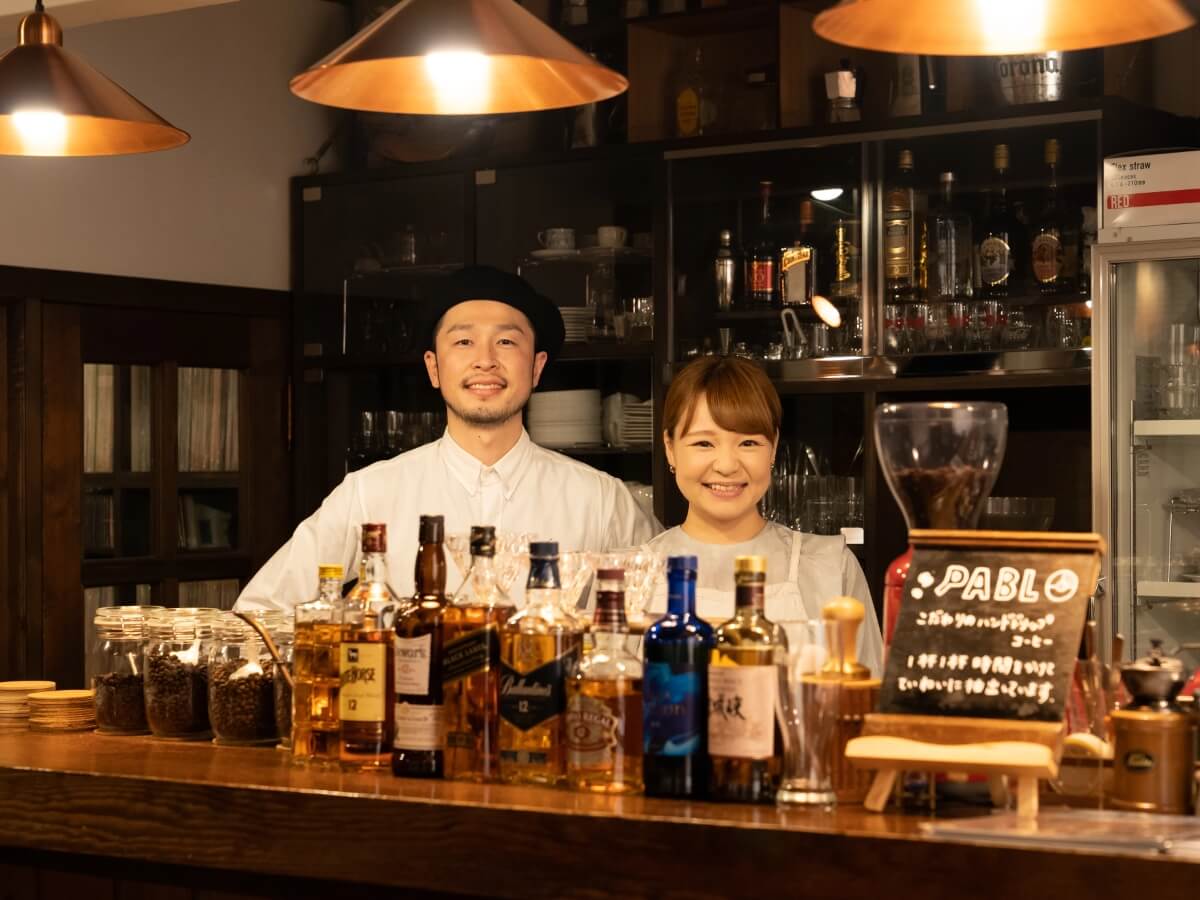
Speakers covering an entire wall!
The story of two creators
who revived the legendary
jazz kissa Pablo.
Originally, this shop opened in 1984 as “Jazz in Pablo.” However, the master perished in the tsunami following the Great East Japan Earthquake. The shop remained closed ever since, but in December 2017, a series of miracles led to its revival. It reopened as “COFFEE & SESSION PABLO.” This is a shop opened by two creators. We asked them to share the story of how the shop came to be.
interview:2017 text: akiko takano (waltz) photo: kozue chiba
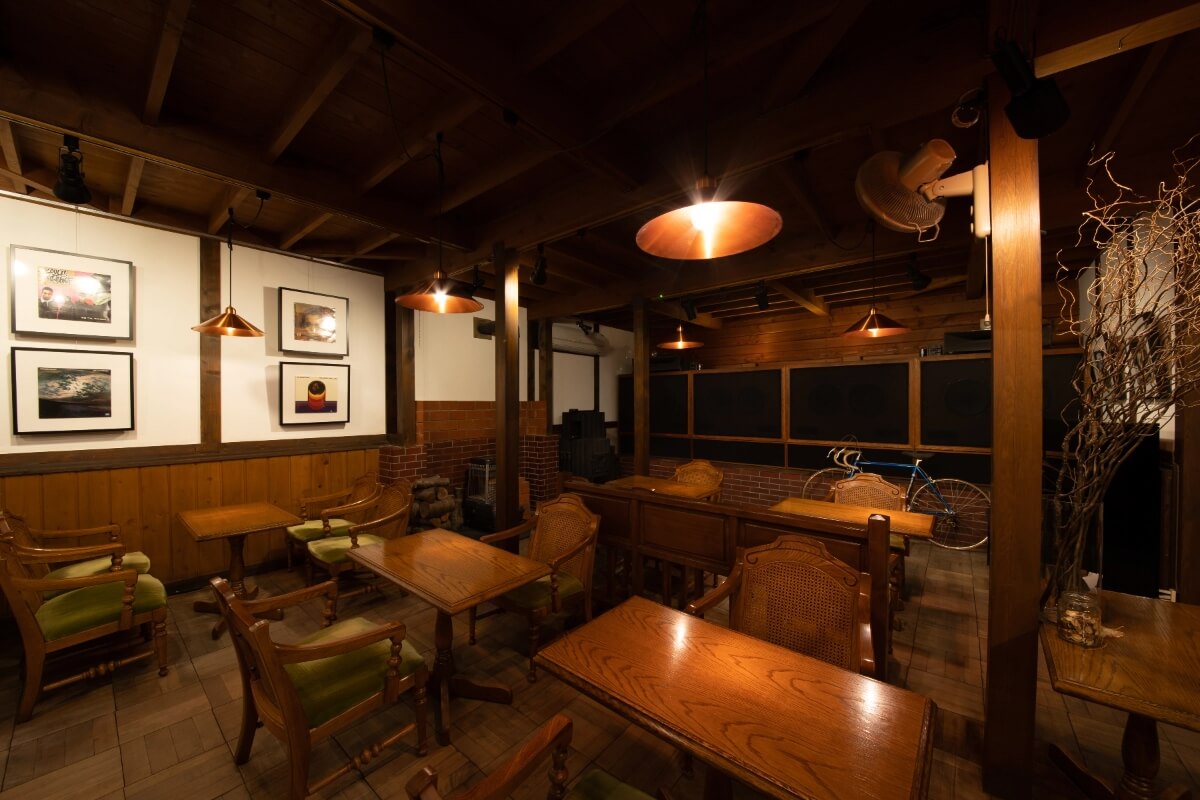
As you open the door, its light bells tinkling cheerfully, the manager greets you at the counter with a radiant smile. In the back, a wall-sized speaker stands tall, its deep, satisfying bass resonating through your body. Warmth radiates from the well-worn wooden floor,
illuminated by the orange glow spilling from copper lampshades.
Originally, this shop opened in 1984 as “Jazz in Pablo.” However, the master was lost in the tsunami following the Great East Japan Earthquake on March 11, 2011. Since then, the shop remained closed, but in
December 2017, a series of miracles led to its revival. Its new name: “COFFEE & SESSION PABLO.”
This shop was opened by two creators. We asked them to share the story of how the shop came to be.
You never know what life will bring,
so let’s enjoy every day to the fullest.
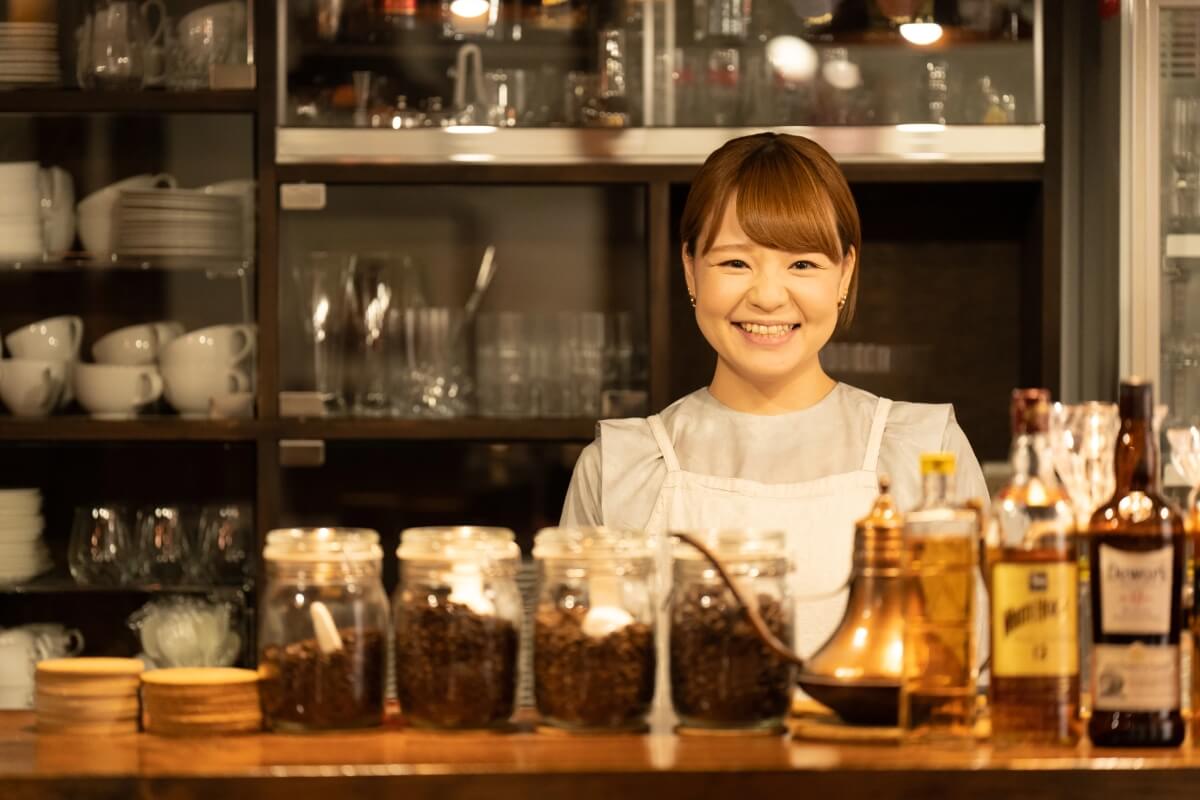
Yuki Hanzawa, the store manager, is a creator born in Natori City in 1987. She studied art and jewelry design in high school and vocational school. After graduating from school in Tokyo, she continued working there, but lost her beloved mother and aunt in the Great East Japan Earthquake. Her family home in Yuriage was also destroyed. In Tokyo, she sometimes felt burdened by the concern of those around her and struggled with the emotional distance from the victims in Miyagi.
Yuki Hanzawa (hereafter Yuki): I remembered my mother’s dream of “wanting to become a picture book author” and my aunt’s dream of “wanting to see the aurora,” and decided to take the plunge and go to Europe. In Finland, I lived in the home of the principal of an art school. It
was incredibly stimulating—I taught art to the children and was given the opportunity to sell handmade goods I created myself.
Then I went to see the aurora in Rovaniemi, the town where Santa Claus is said to live. It was a challenging environment for viewing, but I kept
my aunt’s photo in my breast pocket and waited without giving up, even while other tour participants slept. Finally, the aurora appeared, and I was able to fulfill my aunt’s dream.
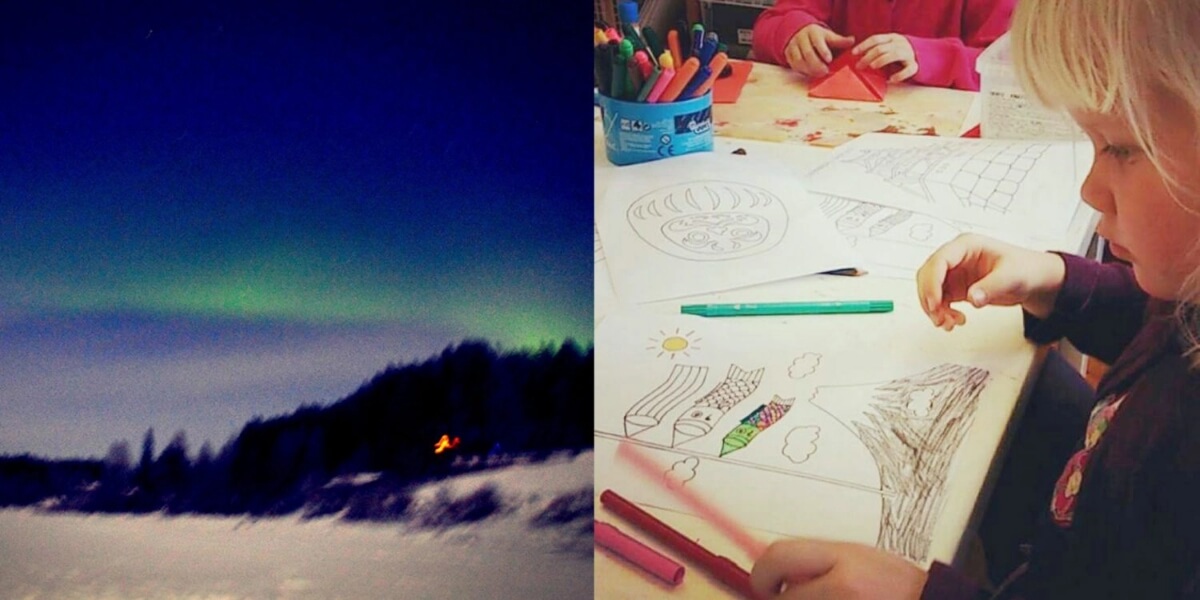
yuki’s photos of the aurora she saw in finland and scenes from her art school classes.
Yuki’s words convey a positive outlook: since you never know what life will bring, enjoy each day to the fullest.
Yuki traveled through eight countries including the UK, France, and Spain, expressing the landscapes she saw through her paintings and refining her
sensibilities. After returning home, she opened “ihania leikkimokki” in Sendai, a shop selling European-sourced goods and her handmade original jewelry. The name means “a small children’s room filled with lovely things” in Finnish.
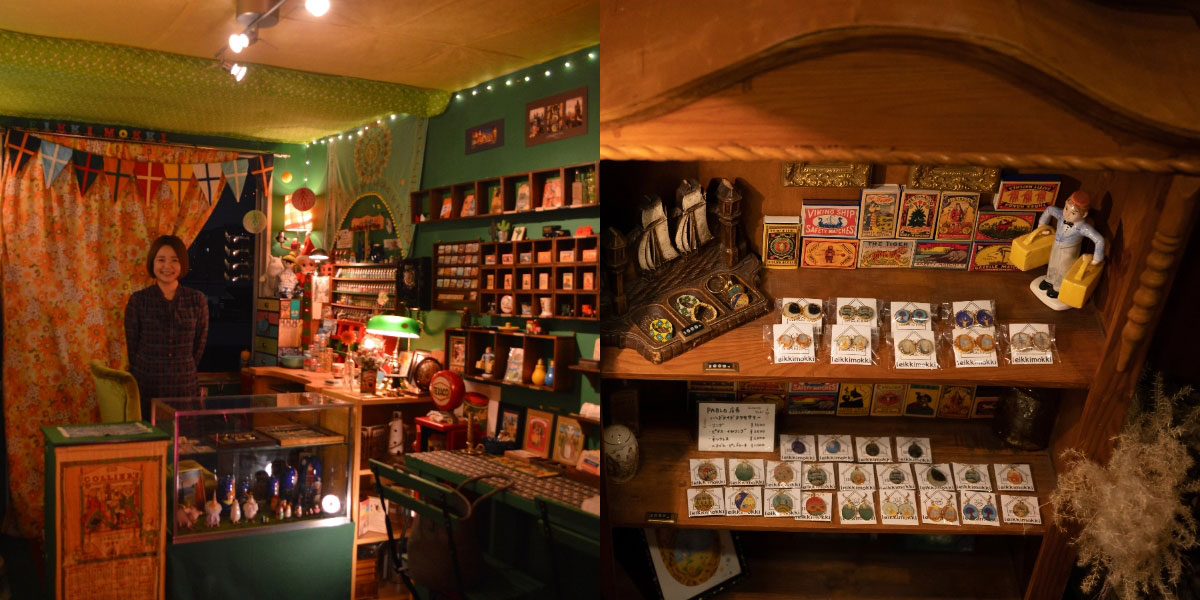
yuki’s general store
“ihania leikkimokki”
yuki’s works can be purchased
at pablo.
One day, my high school homeroom teacher visited the shop. He was a jazz enthusiast and a regular at “Jazz in Pablo.” We started talking about what might have become of Pablo now that the master had passed away and the place had closed. The master’s daughter was a childhood
friend who was close with Yuki. “Hanzawa, why don’t you open a shop there?” The teacher’s casual remark guided Yuki.
Until then, she knew about Pablo but had never visited. She had never once thought about opening a cafe. Yet, she couldn’t shake the feeling. She asked her
childhood friend to open the closed Pablo for her.
The moment she stood before the shop, a shock ran through her. “I want to run a shop here.” That thought was fine, but opening a shop required capital, and for Yuki at that time, it was nearly impossible to achieve. She
spent a week filled with that frustrating feeling. Whether awake or asleep, the image of Pablo wouldn’t leave her mind.
An environment where positive energy flows
through human connections
Meanwhile, in the same building where Yuki opened her shop, there was a video director who ran an office for his production company. That man is Tatsuhiro Murakami, who would become Pablo’s second master.
Born in Sendai City in 1985, Tatsuhiro is a creator of video and
music, and also known as “DJ Tatsu.” During his youth, he was most deeply immersed in “dancing,” “DJing,” and “bicycling.”
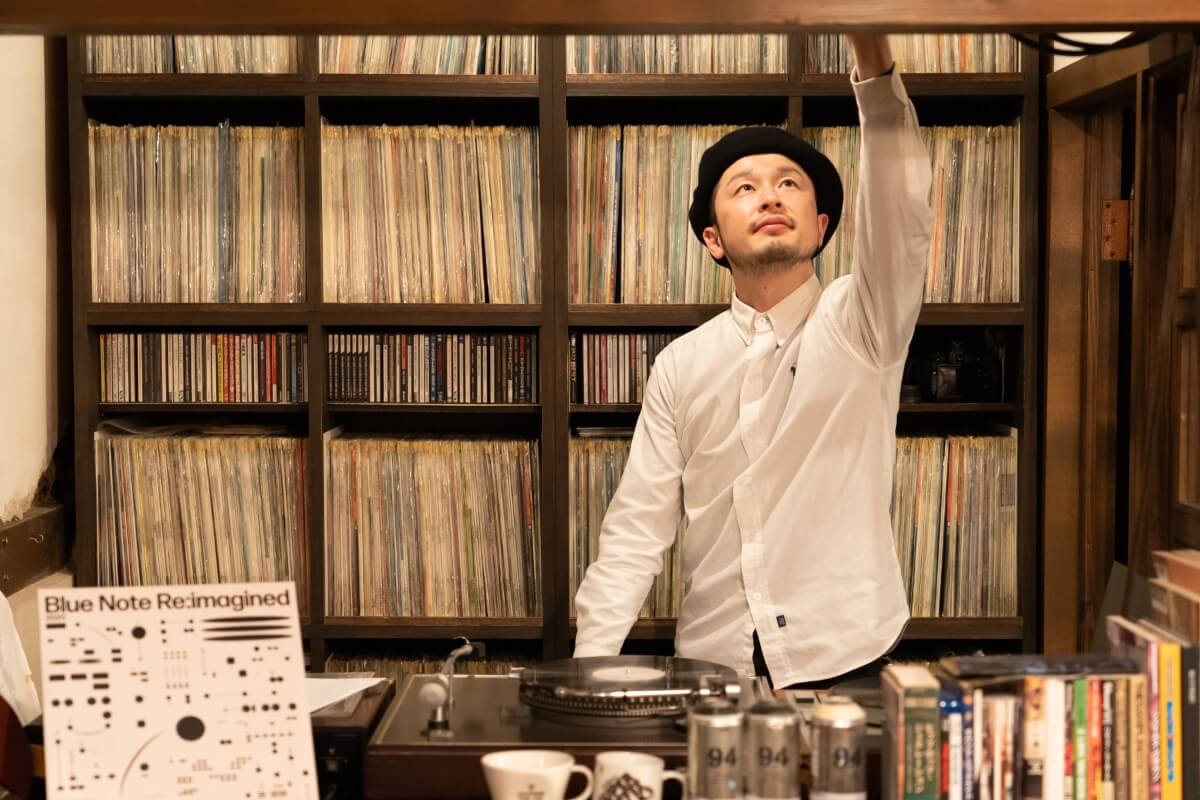
From a young age, influenced by my father, I took up skiing and visited the mountains every week during winter. I started cycling for summer training, and by high school, I had cycled around Tohoku and made the round trip from Sendai to Tokyo. When I entered university, I commuted by bike the roughly 50km round trip from my new home in Shibata Town to my university in Sendai, turning my daily life into training time. I also began developing an interest in street dance around high school.
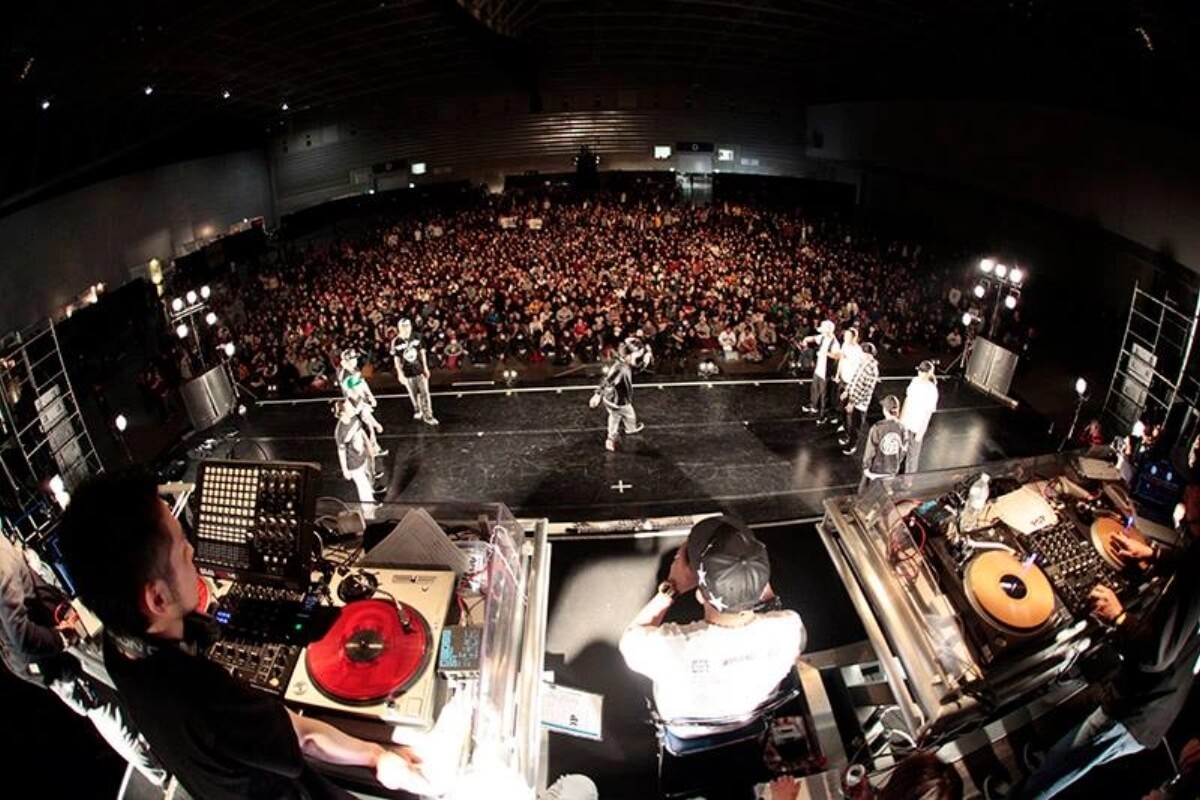
Tatsuhiro Murakami (hereafter Tatsuhiro) started a dance club after enrolling at Tohoku Institute of Technology. At the time, there were about ten members, but it has since been passed on to juniors and now has around seventy members. He began editing dance tracks himself,
discovered the appeal of music, and with encouragement from seniors, also started DJing.
Many adults around Tatsuhiro were DJs and dancers he admired and aspired to be like. After graduating, he worked as a salaryman while enthusiastically continuing his DJ activities.
Tatsuhiro:
When I was 25, I pushed myself too hard and collapsed from overwork. I was acutely aware that juggling DJing and a salaryman job was tough. Around that time, my partner who had been creating dance videos for me also decided to go independent, so we ended up starting a company
together called “UGcrapht.” Amidst this, Tatsuhiro gradually began dreaming of creating a cafe where everyone could gather.
Tatsuhiro: Around 2013, UGcrapht’s Tokyo office was in a shared space with a cafe on the first floor. I started thinking, someday I want a place like
this. Our Sendai office felt like a club room—it was hard to invite people over, so we held meetings at cafes outside. If we could create the right environment, people would gather, and new work could emerge from connections we hadn’t had before. Above all, I thought that if I
could be in a fulfilling state every day and tackle creative work, it would positively impact both the people around me and the work itself.
In 2014, Tatsuhiro spent two weeks driving 4,000 km through Seattle and San Francisco, USA, visiting local cafes as a central part
of his trip. Among them, he was particularly struck by a cafe in San Francisco called “SIGHT GLASS.” It was exactly the image he had envisioned in his dreams. The first floor was the cafe, and the back of the second floor served as the office space.
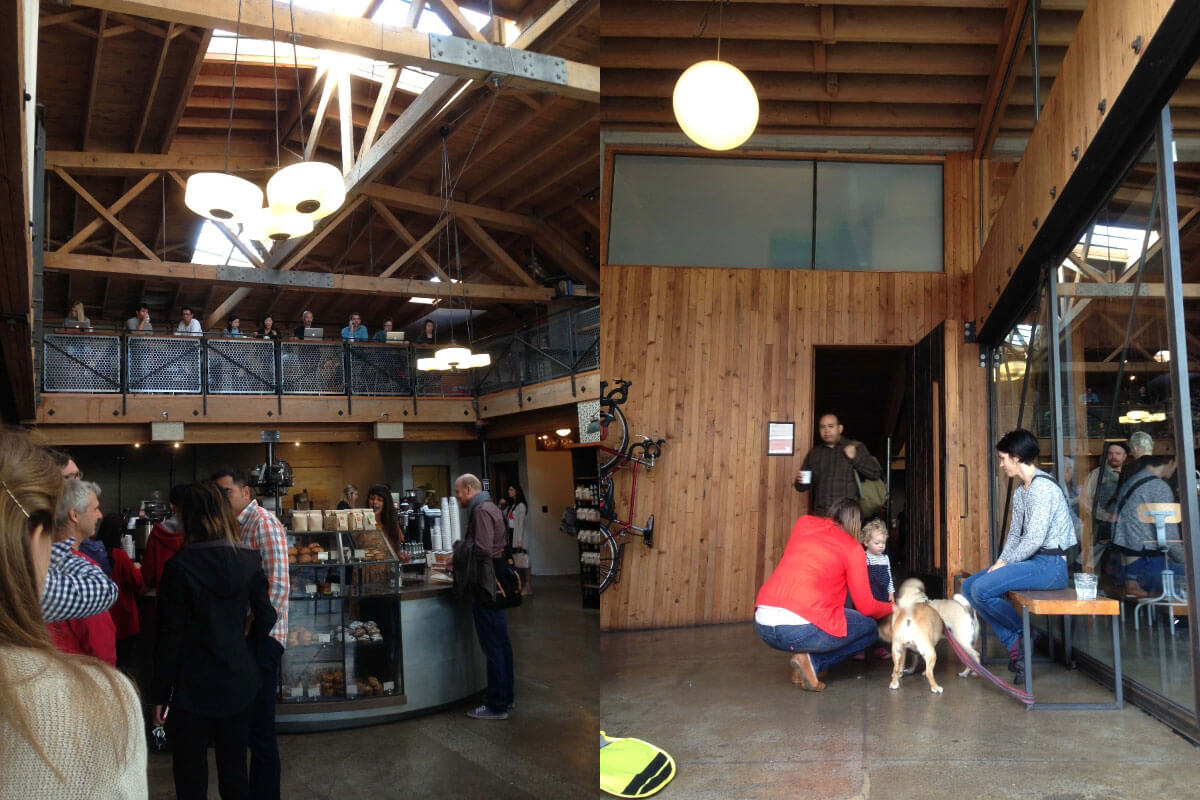
sight glass in san francisco, photographed by tatsuhiro
Tatsuhiro: The space combined woody materials with concrete walls. You could hang bikes on the walls, bring pets inside—it felt free, open, and full of energy. The vibe was incredible.
Where two dreams intersect
The following spring of 2015, just one week after Yuki opened Pablo’s doors and was stunned, Tatsuhiro—who had an office in the same building—casually dropped by her shop.
By chance, Yuki mentioned she was planning to go to San Francisco in the summer to buy goods. Hearing
this, Tatsuhiro talked about “SIGHT GLASS,” which he had encountered six months earlier, and the cafe he dreamed of creating. “There’s a cafe in San Francisco just like the one I dream of. You absolutely have to go! Someday, I hope to open a cafe like that.”
“I know a
similar place where the first floor could be a cafe and the second floor an office.” It was like lightning struck between them.
Right away, Tatsuhiro and Yuki visited Pablo.
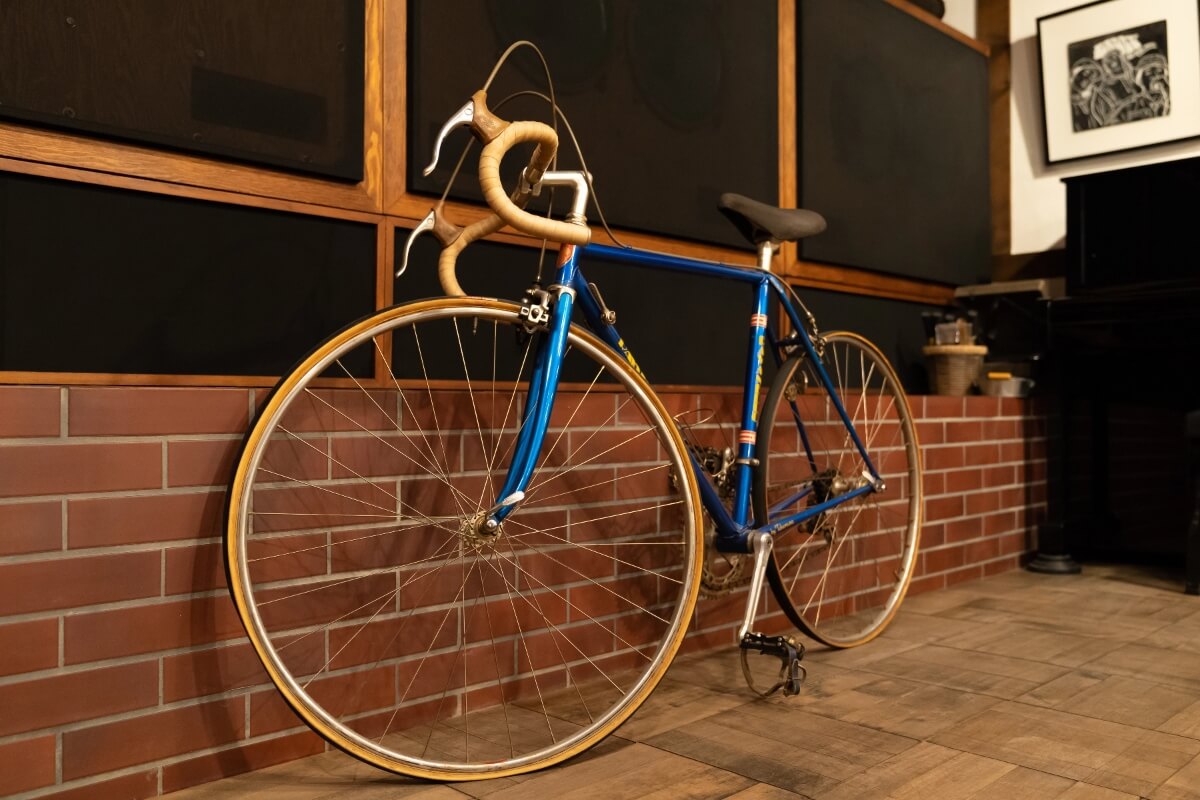
Time seemed frozen inside the shop, just as it was during the earthquake. Tatsuhiro couldn’t hide his surprise. Speakers covering an entire wall. A collection of over a thousand records. His beloved bicycle and camera, meticulously polished and cherished. He couldn’t help but feel a connection with the owner. And the owner had started the shop around the same age as Tatsuhiro.
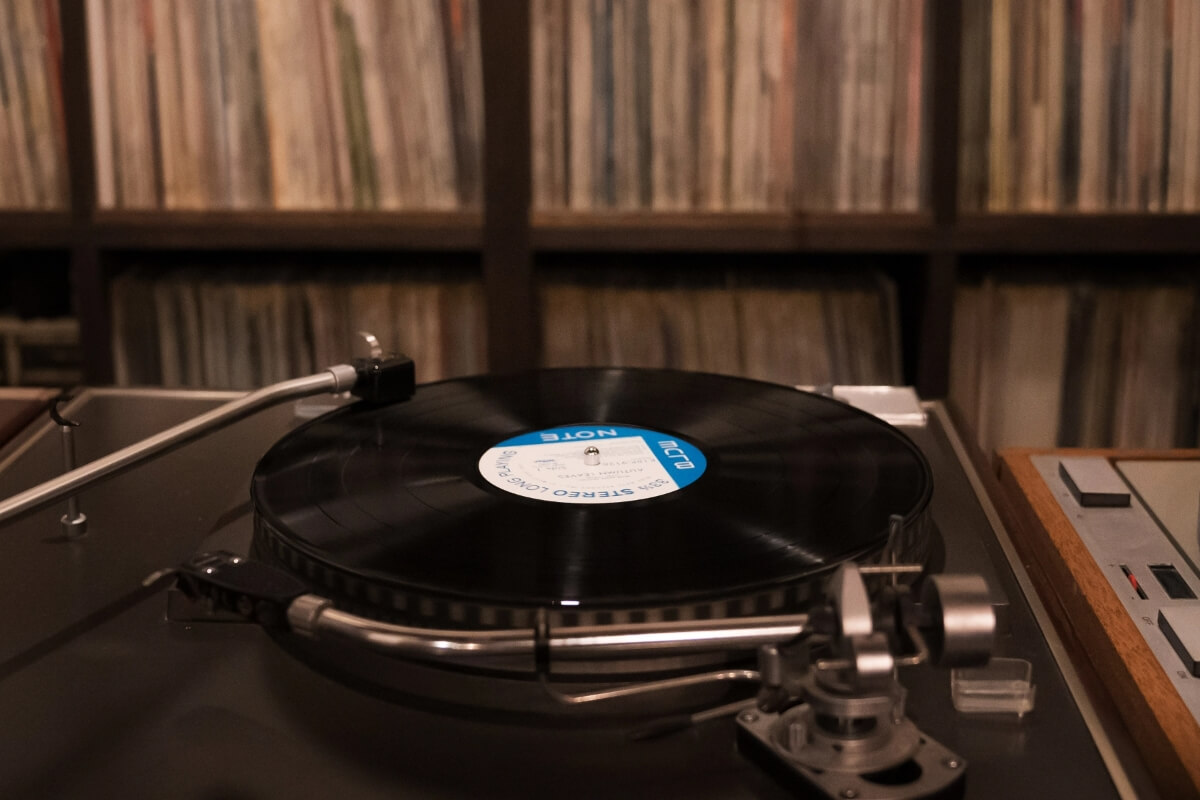
They resolved to reopen Pablo. With the understanding and cooperation of the master’s family, they were able to rent the property. From there, the whirlwind preparations for opening began.
Tatsuhiro: When creating the financial plan, our fundamental premise was to preserve
Pablo’s identity as a coffee shop. We wanted to keep the vintage interior as it was back then. We didn’t want it to become one of those unfortunate stories where a place gets renovated into a club.
Stepping into Pablo’s space, you can feel how deeply the master cared about
every detail. Every speaker, every record booth, every wooden ceiling beam – each one radiates a special sense of dedication.
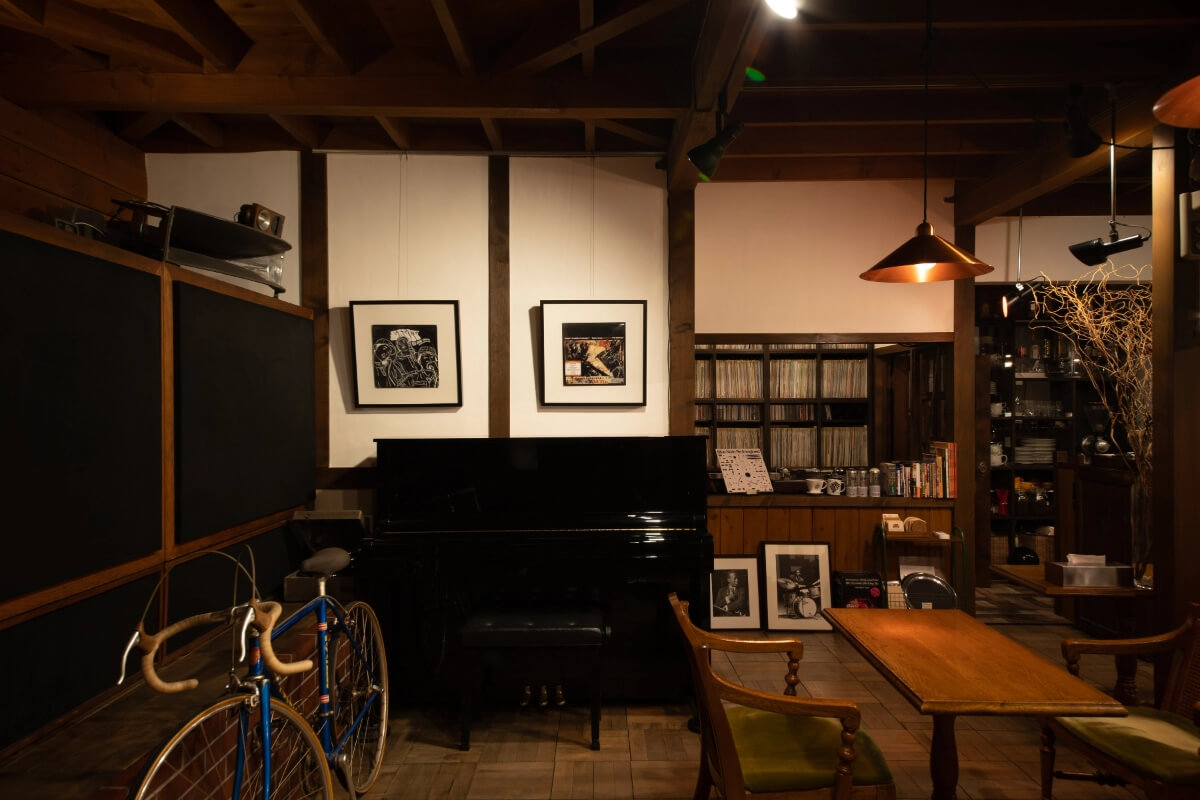
Tatsuhiro: This place has the master’s distinct character. I really feel his spirit saying, “I’m choosing this. I don’t mind if people dislike it, but what do you think?”
Tatsuhiro and Yuki began thinking about opening the shop together, aiming to preserve as much as
possible of what the master had built.
Pursuing the master’s dedication, The path of coffee
The master was particularly passionate about coffee. Yuki became the one in charge of it. She realized she couldn’t stand behind the counter unless she mastered the craft, so she began studying coffee seriously. She deliberately chose to work daily at a busy chain cafe rather
than an independent shop, learning the physical demands and operational details necessary for the job. On her days off, she visited numerous coffee roasters, walking around in search of the ideal beans.
Yuki: At first, I had no foundation, so I visited trusted,
long-established coffee roasters to listen to their stories and learn brewing techniques. I got scolded at first, but I kept going back saying, “Please teach me!” Now they treat me like their grandchild. (laughs) At one roaster, the master remembered the flavor of the beans
Pablo used to source back then, and now we trade beans ground the same way. I also source beans from several other roasters that I genuinely find delicious. Currently, I’m working hard to recreate the flavor by consulting customers who frequented the previous shop, learning
about the coffee’s taste from their memories.
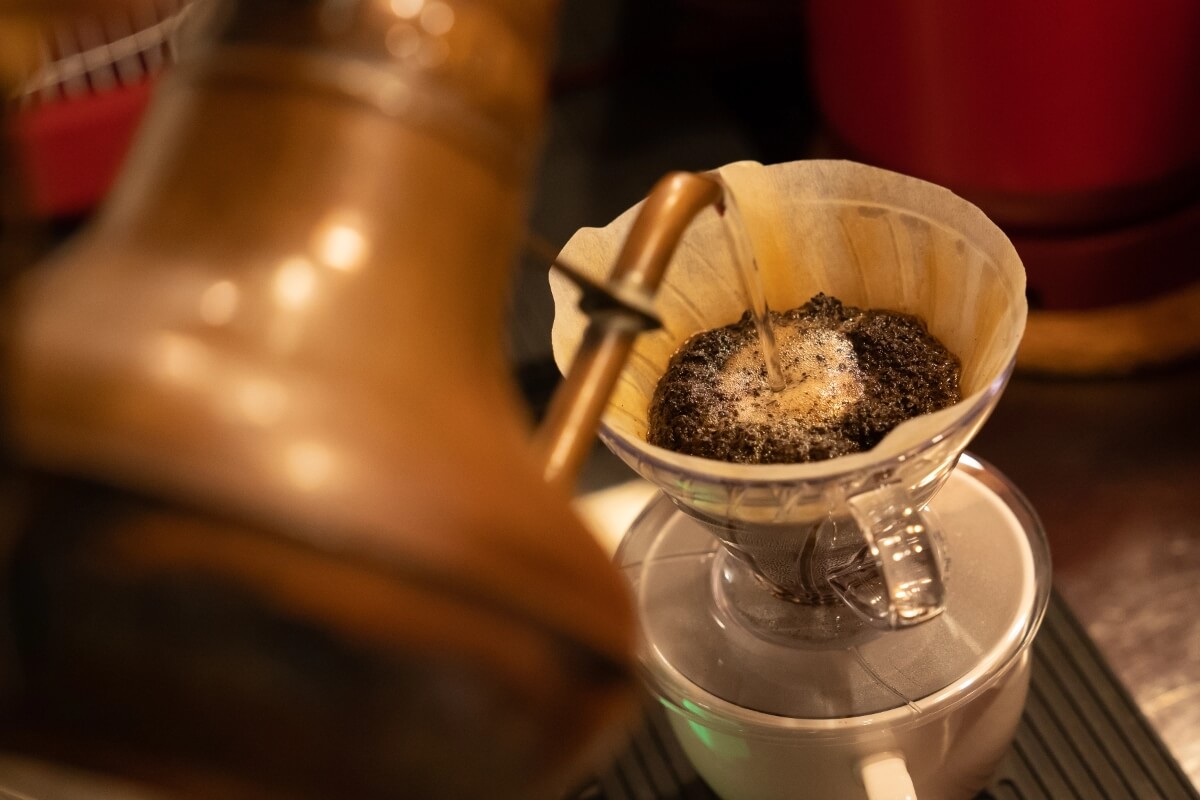
Yuki has discovered something as she learns about coffee, using the tools once used by the master.
Yuki: I realized coffee is about encounters.
The person brewing it, the environment, the beans, the temperature—even one difference changes it. So the taste of that one
cup, drunk in this space at that moment, is truly a once-in-a-lifetime experience.
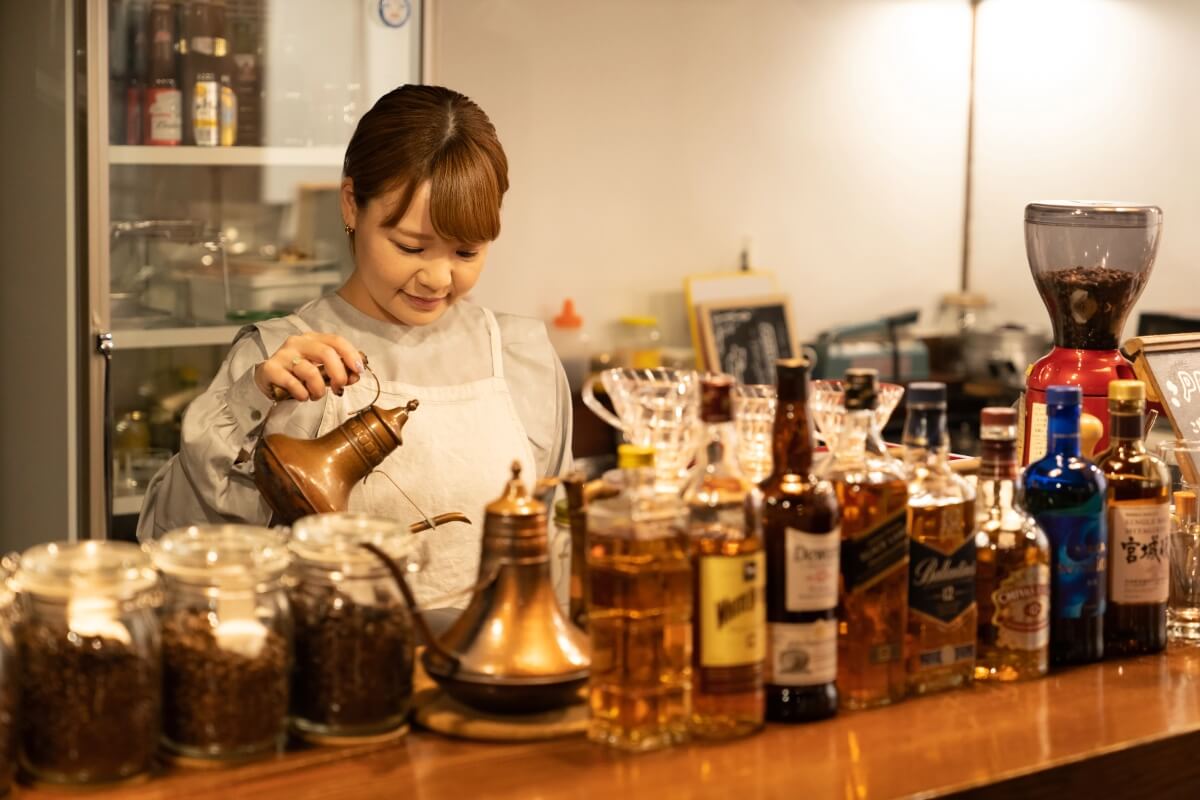
Finally, I traveled all the way to Ethiopia in Africa, said to be the birthplace of coffee.
Yuki: My favorite beans are grown in Ethiopia’s Sidamo region, so I visited the area. The flavor changes depending on whether the beans are washed before roasting. I learned that
the Sidamo region can use the washed process because it has lakes. Other parts of Ethiopia lack lakes, making water precious, so they only have natural beans. It was something I understood by experiencing the place firsthand.
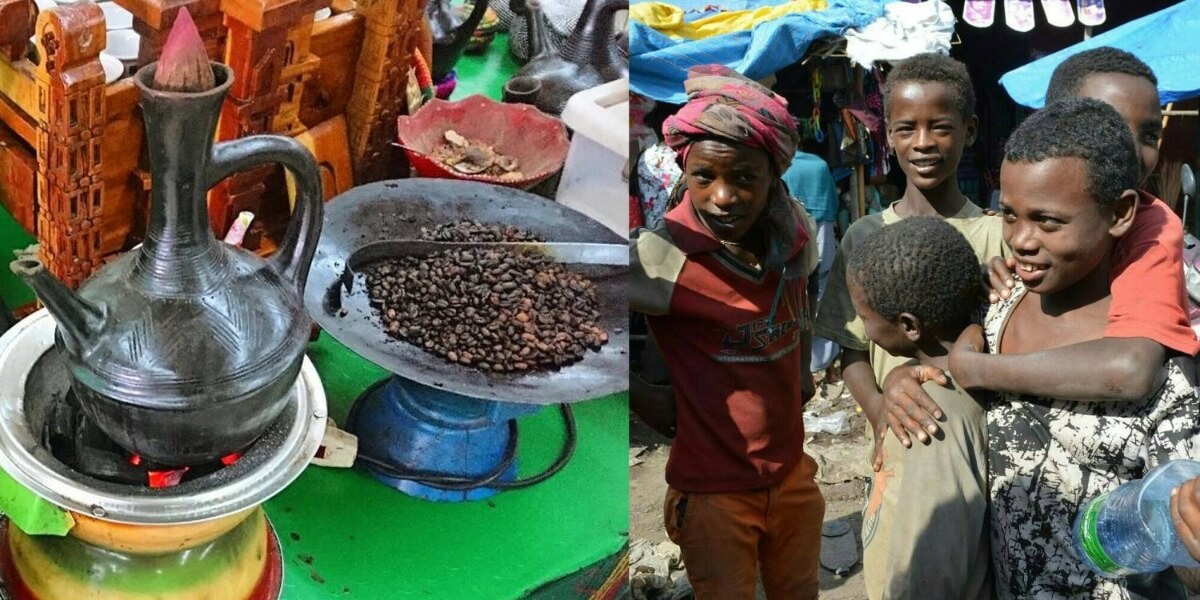
yuki’s photographs of the ethiopian coffee ceremony and the children
Ethiopians brew coffee without a filter. They place ground coffee beans in a black jebana pot, let them settle, and then boil the beans directly to make their drink.
Women brew it three times a day, and men gather around to drink it—a traditional ritual called the coffee
ceremony that has continued for over a thousand years. It’s wonderful and delicious in its own way, but no one brewed it with the meticulous care typical of Japanese people.
The local farm workers cultivate beans that we Japanese find delicious, yet they labor in harsh
conditions for low wages, unaware of their value. It made me think about how they could work with more pride. Based on these experiences, I want to continue engaging with coffee moving forward.
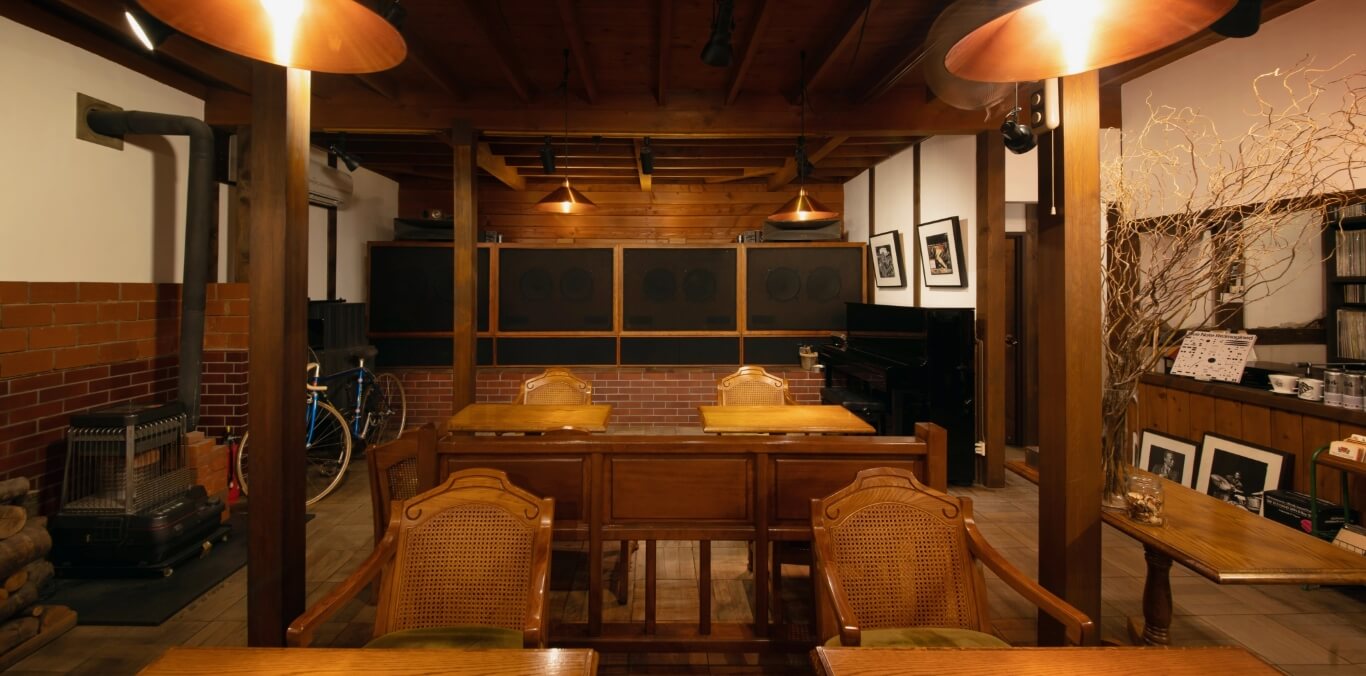
A Place Where New Sessions Are Born
On December 1, 2017, “Jazz in Pablo” reopened as “COFFEE & SESSION PABLO.”
Tatsuhiro plays music through large speakers, selecting comfortable tunes to match the mood of the day—from the late master’s jazz collection to newly released jazz and even jazzy hip-hop.
Yuki carefully brews each cup of coffee with heartfelt attention, using carefully
selected beans of her own choosing.
The concept is “sessions” that transcend genres: musical collaborations across styles, gatherings of people who share similar tastes and interests, and sessions between the special space called Pablo and the people and culture that fill it.
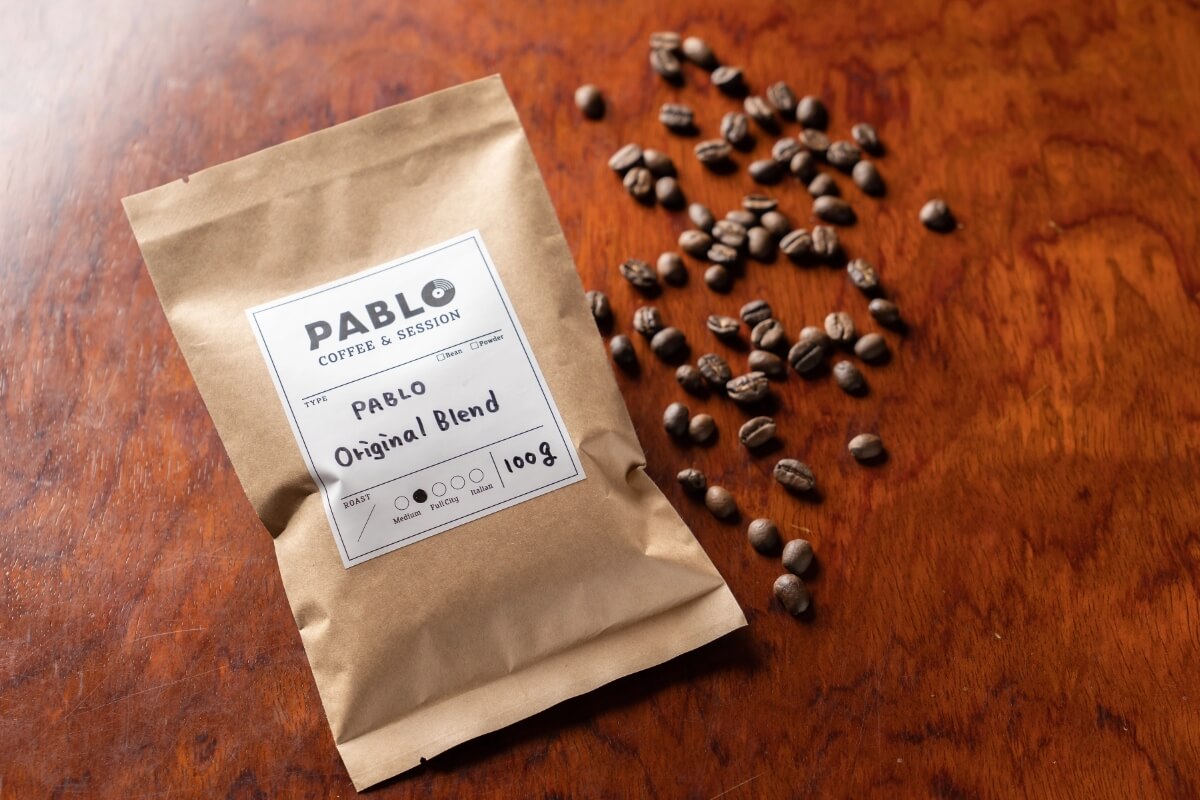
In the newly designed logo, the “P” in PABLO symbolizes the handle of a coffee cup, while the “O” represents the shape of a record.
The record shape embodies the idea of connecting and mixing the five essential elements of a session—“PEOPLE,” “SPACE,” “TIME,” “MUSIC,” and
“CULTURE”—into one.
Now that the shop has opened, how do the two of them feel?
Yuki: Since this is my hometown, I’m very happy when familiar faces and friends come to visit.
Customers who are the same generation as the former master came as soon as we opened, as if they had been waiting for this day, and they share their memories of the old Pablo.
They
say things like, “I used to listen to this back then,” “I have this record,” and “I miss Swing Journal (a music magazine).”
Yesterday, an elderly couple who used to be regulars requested a song.
Out of our 1,000 records, we somehow managed to find it and put it on.
As they were leaving, the wife tearfully said, “It feels like we time-slipped back to those days.” I almost started crying
too.
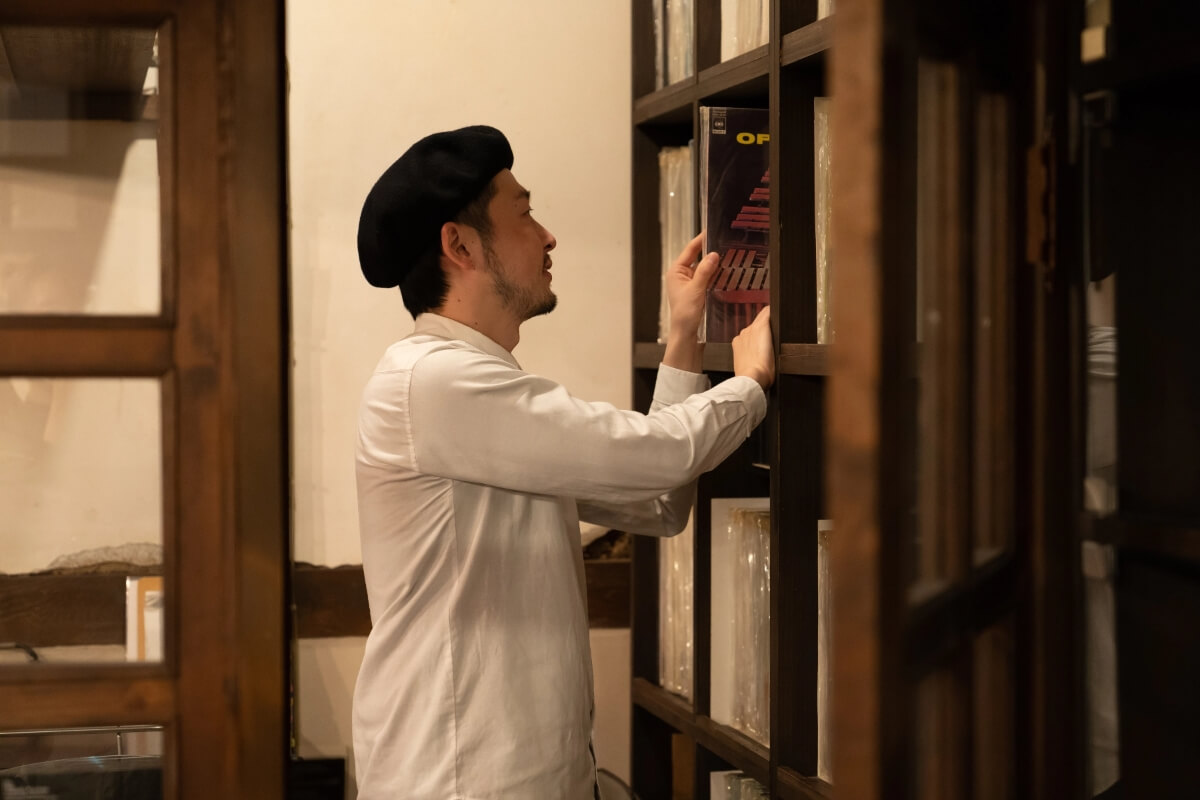
Tatsuhiro: Since opening, I’ve truly realized how strong the Pablo brand is—the legacy the master built over the years.
When former regulars visit, I sometimes ask them to share stories about the old days.
“What do you think of the coffee?” “How is the lighting
inside?” By asking about the past, we try to absorb what the master valued and reflect it in the shop as it is today.
Some customers come almost every day.
We don’t talk much, but I can feel that they are supporting us.
It may sound exaggerated, but I get the impression that what they appreciate is not just the music or the coffee—it’s the way we live and the spirit with which we run
Pablo.
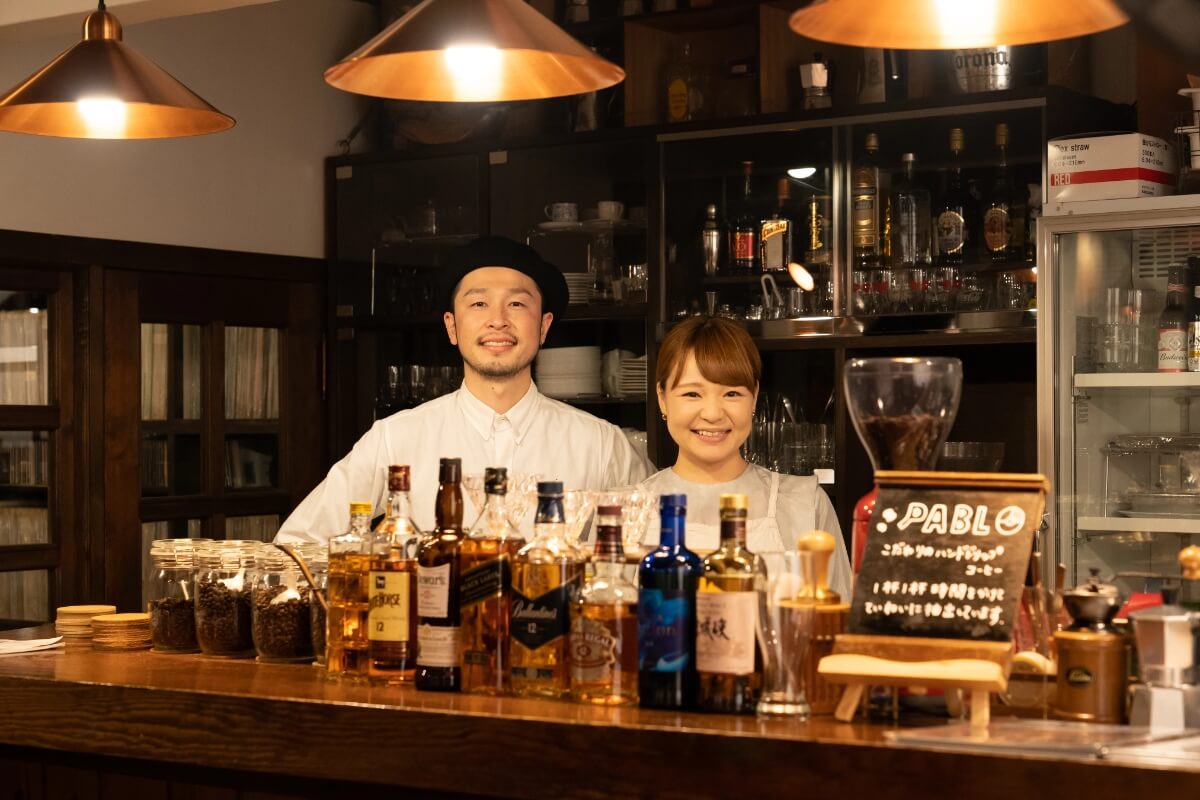
Day after day at Pablo, former regulars mingle with customers of Yuki and Tatsuhiro’s generation, listening to the sound from the large speakers and sharing the same time together.
Looking ahead, Yuki and Tatsuhiro hope to make Pablo a place where culture gathers and
people connect.
Another customer walks into the shop.
“When I passed by and saw the lights on, I thought, ‘Could it be?’ So I pulled over. I’m so happy to hear you’ve reopened.”